Plumbing is invisible until it isn’t. A pinhole leak behind drywall, a slow drain in the basement, a water heater that’s lasted twelve years and is on borrowed time — these are the projects where finding the issue and fixing it correctly the first time matters more than getting it cheap. Our plumbing team handles renovations, repairs, fixture installations, and the larger work most contractors won’t touch: main waterline replacement, drain stack work, and basement plumbing rough-ins for new bathrooms and apartments.
What we do
Renovation rough-ins — water and drain lines for new bathrooms, kitchens, basement bathrooms, laundry relocations, and outdoor kitchens. We coordinate with the renovation crew so framing and drywall don’t close on un-pressure-tested pipes.
Fixture installation and replacement — toilets, faucets, sinks, tubs, showers, dishwashers, water softeners, water filtration, sump pumps, ejector pumps, hose bibs.
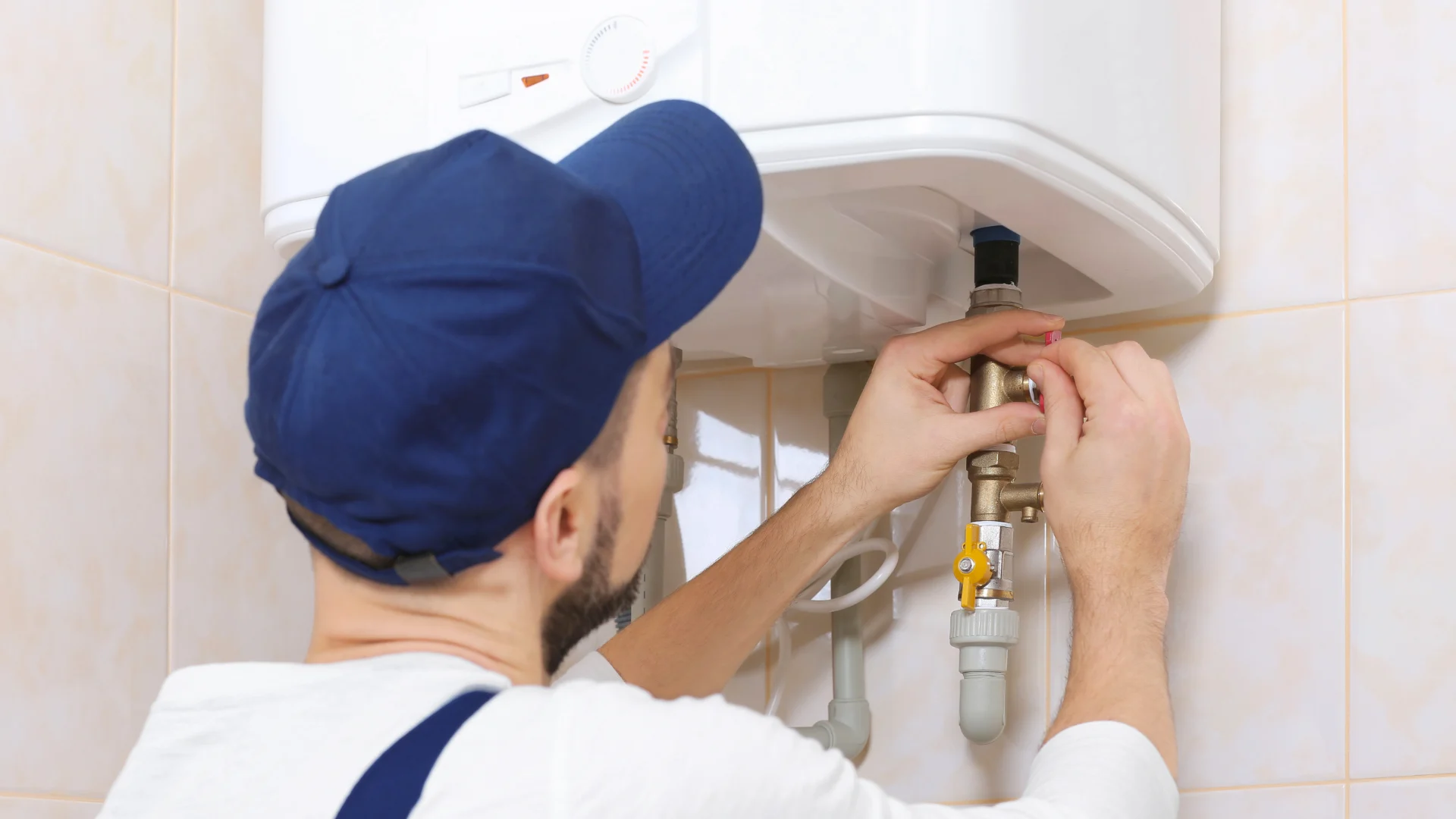
Water heater replacement — tank-type (40-gal, 50-gal, 75-gal), tankless (Navien, Rinnai, Noritz), and heat pump water heaters (Stiebel Eltron, Rheem). Includes gas line work, venting modifications, and the discharge line for tank tankless condensate.
Main waterline replacement — old galvanized or lead service lines from the curb to the meter. Common in Brampton, Hamilton, and Niagara Falls homes built before 1960. Replacement runs from the meter pit (city-side) to the meter, in copper or PEX.
Drain and sewer work — replacing cast iron drain stacks (cracked or perforated in 60+ year old homes), clearing main drains, camera inspections, partial sewer line replacement.
Repairs — pinhole leaks, frozen pipe damage, broken supply lines, leaking valves, dripping fixtures. The smaller jobs that homeowners need handled fast.
The licensing reality
Plumbing in Ontario requires a Certificate of Qualification — a Red Seal trade. Homeowner DIY plumbing is technically allowed in your own residence for non-natural-gas work, but anything with a building permit attached has to be done by a licensed plumber. Gas line work (water heater hookup, range supply, fireplace) requires a separate TSSA-licensed gas fitter, often the same person but a separate certification.
The same insurance and resale issues that apply to electrical apply here: unlicensed plumbing work isn’t covered by insurance if it fails, and a real estate inspection will flag it. We pull permits and use licensed trades for every project.
What it costs in 2026
Honest ranges for common GTA plumbing projects:
- Tank water heater replacement (50-gal natural gas) — $1,800 to $2,800 installed, including disposal of the old tank.
- Tankless water heater install (Navien NPE-2 or similar) — $4,500 to $7,500 including venting, gas line modifications, and condensate handling.
- Heat pump water heater install — $4,000 to $6,500 plus electrical (if a new circuit is needed).
- Main waterline replacement (curb to meter) — $4,500 to $9,000 depending on length, soil conditions, and city permit fees.
- Drain stack replacement — $3,500 to $8,000 for a full stack from basement to roof in a typical two-storey GTA home.
- Bathroom rough-in for renovation — $2,500 to $5,500 depending on scope (new vs. relocated fixtures).
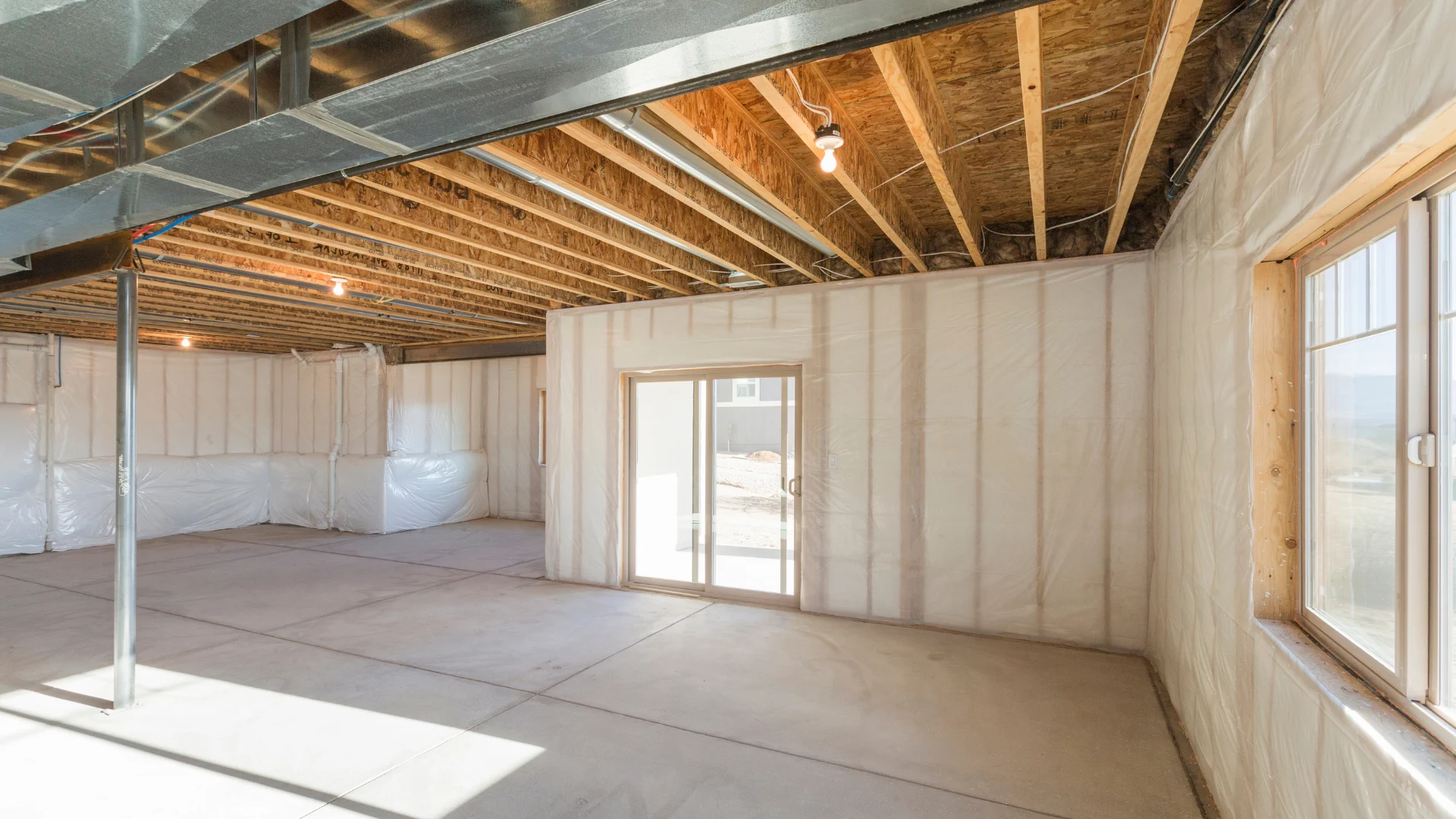
- Basement bathroom rough-in (new) — $3,500 to $8,000 depending on whether the slab needs to be cut and the distance to the existing drain.
- Sump pump replacement — $700 to $1,500 for a basic replacement; $1,500 to $3,500 for a battery-backup system.
The single most consequential decision in residential plumbing is whether to replace galvanized supply lines during a renovation. A house with galvanized supply has reduced water pressure, ongoing pinhole-leak risk, and increased lead exposure (galvanized pipes are lined with zinc that can degrade). The added cost during a renovation when walls are open is small; replacing galvanized after the renovation is finished is two to three times the cost.
Water heater options compared
This question comes up on every renovation. The honest answer:
Tank water heater — cheapest to install, simplest, 8–12 year lifespan, recovery time after a long shower is real. Best for households of two to four with normal hot water usage.
Tankless water heater — endless hot water, longer lifespan (15–20 years), more expensive install, requires gas line capacity (sometimes a gas line upgrade). Best for households of four+ or for homes that frequently run out of hot water.
Heat pump water heater — the energy-efficient choice, works on electricity, dramatically lower operating cost (60–70% less than electric resistance, 30% less than gas), needs a basement or utility room with airflow. Best for net-zero-conscious households or homes where electrification is the long-term plan.
For most GTA homes we see, tankless or heat pump are the right answers in 2026. Tank is fine if budget is the constraint or if the existing setup works.
Permits and inspection
Plumbing permits are pulled when fixtures are added or relocated, when supply or drain lines are extended, when a water heater is replaced (in some cities), or when sewer line work crosses property lines.
Inspection visits happen at rough-in (before walls close — this is the critical one) and at completion (fixtures connected, pressure tested). Gas work has its own TSSA inspection separate from the building permit.
GTA-specific issues
Hard water is the GTA’s universal plumbing problem. Brampton, Mississauga, Burlington, and Oakville all run on Lake Ontario / Lake Wabukayne / Wells water systems with significant hardness (typically 130–170 ppm). Hard water shortens the life of water heaters, scale-fouls tankless systems, and causes premature failure of valves and faucet cartridges. We recommend a water softener on most major plumbing projects — not as an upsell, but because the math works.
Older homes (pre-1960) have lead service lines in some areas. Health Canada and Public Health Ontario both recommend replacement; some municipalities have rebate programs. We test and replace as part of major renovations.
Why homeowners hire us
Licensed plumbers, gas-fitter certified for the gas work, permits pulled and inspections handled. We pressure-test every line we install before walls close — and document the test result. Two-year workmanship warranty plus the manufacturer warranties on fixtures, water heaters, and equipment.
Plumbing in your city
Pick your city to see common plumbing issues for the housing stock there and recent projects we’ve completed.
Frequently asked questions
How do I know if I have a slow leak?
Read your water meter at night, then again 12 hours later when no one’s used water. Any difference is a leak. The meter has a small triangle or dial that moves with very small flows — if it’s moving with all fixtures off, water is going somewhere.
Should I switch from a tank to a tankless?
If the tank is over eight years old and you’re considering a renovation anyway, yes. The install cost difference is smaller during a renovation than as a standalone replacement. If the tank is newer and working, no — the savings don’t justify replacing a working unit.
Why do my faucets keep dripping?
Hard water. The cartridges in modern faucets last 5–10 years in soft water and 2–4 years in GTA water without softening. A water softener is often the better fix than replacing cartridges every other year.
Can you put a bathroom in a basement that doesn’t have one?
Yes, in most cases. The two scenarios are: (1) the existing main drain is below the new bathroom location — straightforward, we cut the slab and tie in; (2) the main drain is at or above the bathroom location — we need an ejector pit and pump (Saniflo or equivalent), which works but is more expensive and louder.
What’s involved in a main waterline replacement?
Excavation from the curb stop to the house (yard work), pipe replacement (typically 3/4″ or 1″ copper, sometimes PEX), reconnection at both ends, city inspection, restoration of the yard. One to three days of work. We coordinate with the city for the curb-side connection.