Bathrooms are small, but the trades stack up fast: demo, plumbing, electrical, framing, drywall, waterproofing, tile, vanity, glass, paint, plus inspection. A four-piece bathroom in a Brampton bungalow has the same number of moving parts as a kitchen twice its size. That’s why bathroom renovations either go very smoothly — or very poorly. The difference is sequencing.
Powder room, three-piece, four-piece, and primary ensuite
The size and intent of the bathroom drive everything. A powder room (toilet and sink, no shower or tub) is the fastest project we run — typically eight to twelve days. A three-piece guest bathroom adds a shower and runs about three weeks. A standard four-piece with a tub-shower combo or separated tub is three to four weeks. A primary ensuite with a walk-in shower, freestanding tub, double vanity, heated floors, and custom glass is the project where every line item compounds — six to ten weeks is typical.
Each step up adds plumbing fixtures, more waterproofing surface, more tile labour, and (often) electrical work for heated floors, exhaust upgrades, or pot lights. The square footage is misleading — a 50 sq. ft. powder room and a 50 sq. ft. shower stall need very different amounts of skilled labour.
Where the work happens
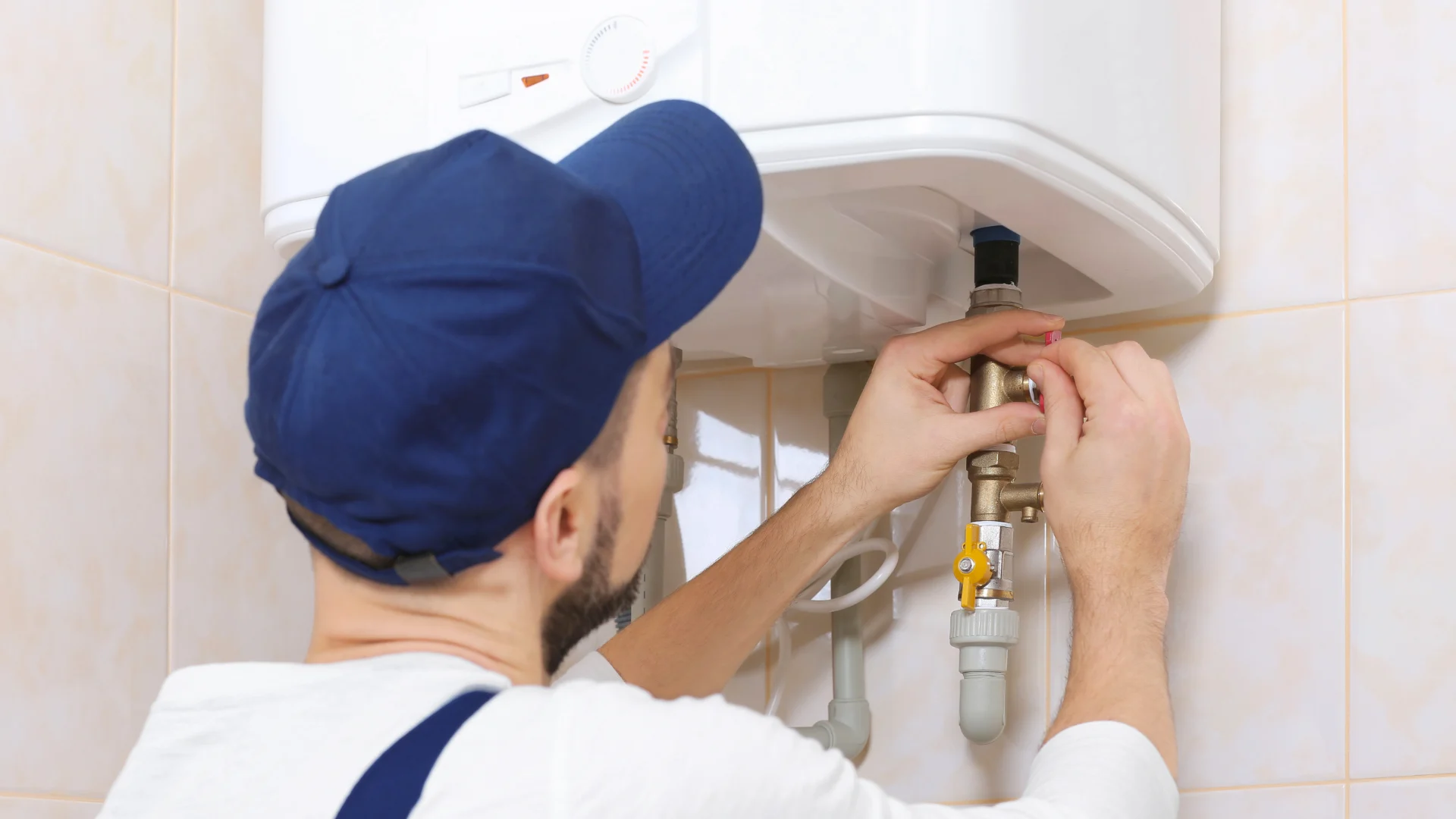
The order matters. Demo first, then any framing changes (relocating the tub, blocking for grab bars, building a curb). Plumbing rough-in next — water lines, drains, vents — followed by electrical rough-in. Inspections at this stage if a permit was pulled. Then drywall and waterproofing membrane.
Waterproofing is the step homeowners never see and contractors love to skimp on. We use sheet membrane (Kerdi or equivalent) on every shower, full surround, with banded seams and inspected before tile. A failed shower pan is the most expensive bathroom failure — it usually means tearing out the new tile, the subfloor below, and the ceiling of the room beneath.
Tile, vanity, fixtures, and glass install close out the project. Heated floor membrane goes in before tile, wired to its own thermostat. Glass (frameless shower enclosures) is the last item — we measure after tile is set, fabricate to the actual opening, install in week six or whenever the tile cures.
What it costs in 2026
Honest ranges for GTA bathrooms, full materials and labour, before HST:
- Powder room — $8,000 to $18,000. New vanity, toilet, mirror, lighting, paint, flooring.
- Three-piece guest bath — $18,000 to $32,000. Adds a tub-shower combo with new tile and waterproofing.
- Four-piece — $25,000 to $50,000. Standard primary or family bath with separated tub and shower or tub-shower combo, full tile, new vanity.
- Primary ensuite — $40,000 to $90,000+. Walk-in shower with custom glass, freestanding tub, double vanity, heated floors, premium tile and fixtures.
Tile and labour scale together — picking 12×24 porcelain instead of 2×2 mosaic cuts labour by half on the same wall. Quartz vanity tops cost the same as a kitchen counter per square foot but are smaller, so the absolute number is reasonable.
Permits, codes, and GTA specifics
Cosmetic bathroom updates (vanity swap, fixture replacement, paint) don’t need permits. Anything that changes plumbing layout, adds electrical circuits, or modifies framing does. Permits cost $200–$600 in most GTA cities and add two to four weeks before demo.
The Ontario Building Code requirements that come up in every bathroom project: GFCI protection on every receptacle, exhaust fan ducted to exterior (not into the attic), hardwired smoke alarm if you’re touching electrical, and tempered glass on shower enclosures. Heated floors need a dedicated 20-amp GFCI circuit.
Older GTA homes — especially in Brampton’s older neighbourhoods, Hamilton’s central wards, and Niagara Falls’ pre-war stock — often have galvanized steel supply lines that pinhole-leak after disturbance. We typically replace galvanized with PEX during a renovation; the cost is small and the alternative is a callback in eighteen months. Cast iron drain stacks in homes built before 1965 also get inspected and replaced if cracked.
Why homeowners hire us
Bathrooms are where attention to detail shows up. Tile lines that run, grout that’s even, glass that closes flush, silicone joints that don’t fail. We use experienced tile setters (not framers doing tile on the side), full-coverage waterproofing on every wet surface, and we inspect our own work before the homeowner does. The two-year workmanship warranty covers everything we install — including the tile and grout — and we keep records of every product so warranty claims years out are easy.
Bathroom renovations in your city
Pick your city below to see what’s specific about bathroom renovations in your area — typical fixture choices, common older-home issues, and recent projects we’ve completed.
Frequently asked questions
Should I keep the tub or convert to a walk-in shower?
Family bathrooms with kids: keep the tub. Primary ensuites and guest baths in homes where the kids are grown: convert. Resale data in the GTA shows a walk-in shower in the primary and at least one tub somewhere in the house is the optimal mix.
How long without a working bathroom?
For a single-bathroom home doing a full renovation, plan on three to four weeks of using a temporary setup — usually a portable toilet rental and a guest membership at a nearby gym for showers. Most clients we work with have a second bathroom and use that.
What’s the cheapest part of a bathroom that I shouldn’t cheap out on?
The exhaust fan. A quiet, properly-ducted Panasonic Whisperline runs $250 installed. The $40 builder-grade fan it replaces is loud, ineffective, and the leading cause of mould in GTA bathrooms.
Can you match an existing tile if I just need a partial repair?
Sometimes. If the tile is from the last five years and we can identify the manufacturer, yes. Older tile (especially anything pre-2010) is often discontinued. We’re honest about it during the quote — partial repairs in older bathrooms usually look patched, even with good craft.
What’s the timeline for a primary ensuite gut?
Six to ten weeks on-site. Add four to six weeks of pre-work for design, fixture selection, and ordering. Total project from “let’s do this” to “shower works” is typically three to four months.