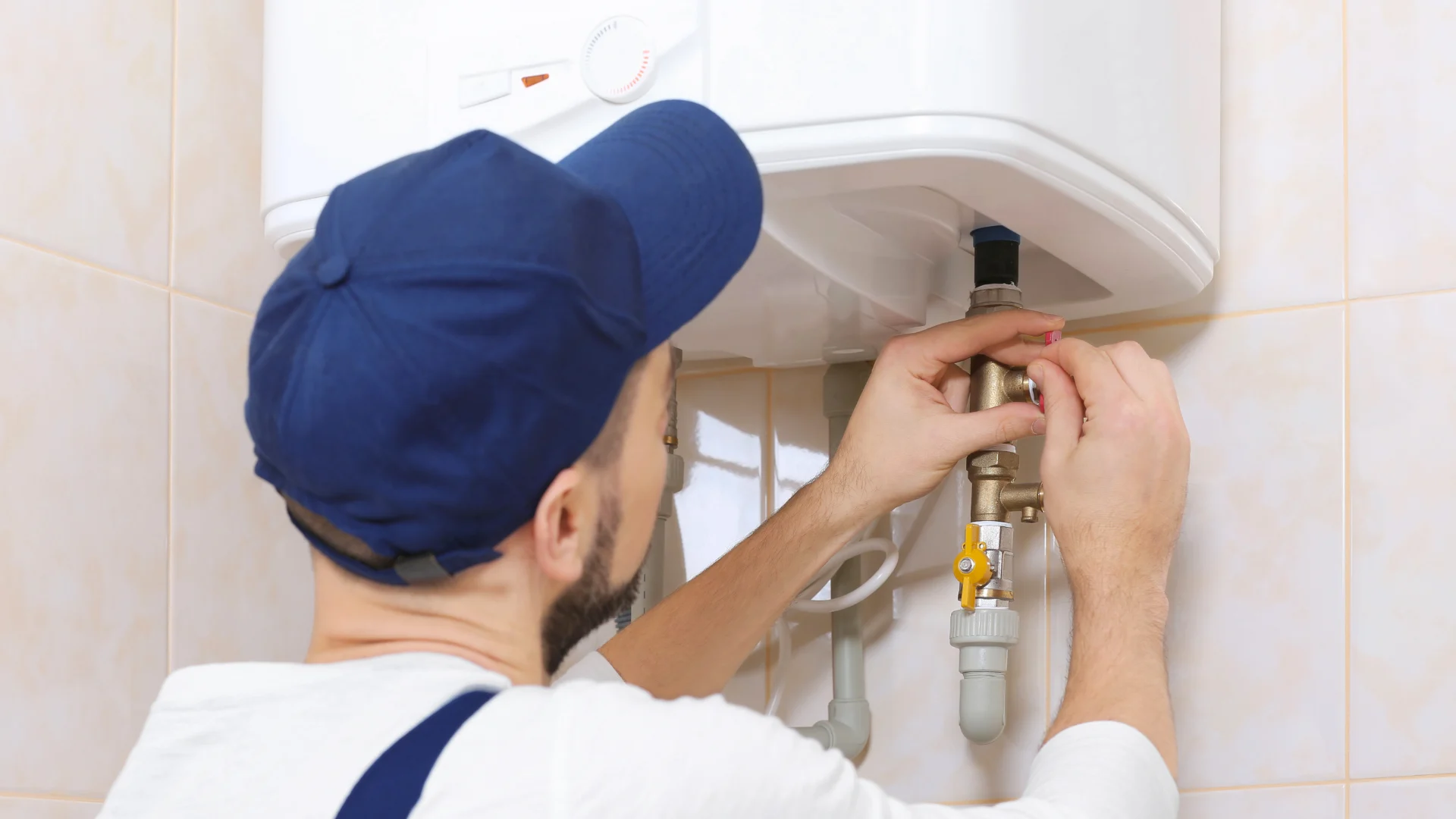
The GTA gets cold from late October to early April. Five months of heating that has to actually work. We install, replace, and service the systems that keep homes warm: gas furnaces, heat pumps, hybrid systems, boilers, and the venting and gas distribution that supports them. Every install is permitted, gas-fitter certified, and inspected. We don’t do “cash deals” on heating equipment — the warranty math doesn’t work and the safety implications are real.
What we install
Gas furnaces — high-efficiency condensing furnaces (95%+ AFUE), modulating burners, variable-speed blowers. The default heating system in most GTA homes for the last twenty years. Lifespan 15–20 years with annual servicing.
Heat pumps — air-source heat pumps (cold-climate models from Mitsubishi, Daikin, Bosch, Lennox), ground-source (geothermal — rare in retrofits, more common in new construction). Heat pumps are increasingly the right answer for GTA homes: efficient down to -25°C with the right model, dramatically lower operating cost than gas, eligible for federal and provincial rebates.
Hybrid systems — heat pump for most of the heating season, gas furnace for the coldest weeks (or as backup when the heat pump can’t keep up). The current state of the art for new installations in our climate.
Boilers — hot water heating systems, common in older homes with radiant baseboards or in-floor radiant. Combi-boilers handle both heating and domestic hot water from one unit. Less common in GTA new builds but a real option for renovations and historic homes.
Mini-splits — ductless heat pump systems for individual rooms, additions, basements, and homes without forced-air ducting. Great for finished basements that the existing furnace can’t reach effectively.
Furnace and boiler replacements — straightforward when like-for-like; more involved when changing fuel types or moving to a heat pump.
How to think about the choice
The honest 2026 framing: gas is cheaper to operate today, heat pumps are dramatically cheaper to operate over the long run, and natural gas prices in Ontario are trending up. A new install in 2026 should default to heat pump or hybrid unless there’s a specific reason not to.
Specific reasons not to:
- The home doesn’t have the electrical capacity (a service upgrade adds $4,000–$6,500 to the project).
- The homeowner is selling within 3–5 years (payback period on the heat pump premium is longer).
- Outdoor space limitations make placement of the outdoor unit problematic.
- The existing ductwork is inadequate for the lower-temperature airflow heat pumps deliver — sometimes ductwork needs to be enlarged or extended.
For most GTA detached homes, heat pump or hybrid is the recommended path. The federal Greener Homes Loan and provincial rebates can offset the install premium meaningfully — we walk clients through current programs at the consultation.
What it costs in 2026
Honest ranges for GTA installations, equipment plus install:
- High-efficiency gas furnace replacement (90,000–120,000 BTU) — $5,500 to $9,000 depending on brand and complexity.
- Cold-climate air-source heat pump (3-ton) — $12,000 to $18,000.
- Hybrid system (heat pump + new gas furnace) — $14,000 to $22,000.
- Combi-boiler replacement — $7,500 to $12,000.
- Ductless mini-split (single zone) — $4,500 to $7,500. Multi-zone systems scale roughly linearly with zone count.
- Geothermal install — $30,000 to $60,000+ depending on loop type. Long payback but lowest operating cost of any system.
Rebate programs (federal, provincial, utility) can offset $2,000–$10,000 of heat pump and hybrid install costs depending on the home’s current system and the equipment chosen. We provide rebate documentation as part of every install.
The annual service question
Manufacturer warranties on furnaces, boilers, and heat pumps require annual servicing by a licensed technician. Skip the service for two years and the warranty is effectively void on the parts that matter. We offer service plans on equipment we’ve installed; we’ll also service equipment installed by others, with an inspection report on the first visit.
What annual service includes: filter replacement (or homeowner-replaced and we verify), burner inspection and combustion analysis (gas systems), refrigerant pressure check (heat pumps), drain line clearing (condensing furnaces), blower assembly inspection, electrical connection check, thermostat calibration. About 90 minutes for a furnace, 2 hours for a heat pump.
Permits, codes, and TSSA
Furnace and boiler replacements require a permit in most GTA municipalities. Gas line work requires a TSSA-certified gas fitter and a separate TSSA permit. New gas appliance installs (gas range, gas dryer, gas fireplace) trigger TSSA inspection.
The Ontario Building Code requirements that come up: combustion air provisions for any gas appliance in an enclosed space, proper venting clearances (Category IV PVC venting for high-efficiency condensing equipment, B-vent for older equipment), and CO alarm installation in any room with a fuel-burning appliance and adjacent sleeping areas.
Cold-climate heat pumps don’t require gas-fitter work but do require electrical work (often a dedicated 240V circuit) and refrigerant handling certification (HRAI). Outdoor unit placement has setback rules that vary by city.
GTA-specific considerations
The 2026 reality across the GTA: roughly half of homes still run on gas furnaces installed before 2010, which are mid-efficiency (80–82% AFUE). These will all need replacement within 5–10 years. Replacement is the moment to consider electrification — if the home stays on gas, it’s another 15–20 years on fossil heating.
Older Brampton, Hamilton, and Niagara Falls homes often have undersized supply lines for modern heat pumps or insufficient electrical capacity for full electrification. We do the load calculation upfront and recommend any service upgrade or duct modification before quoting the heat pump install.
Newer homes (post-2005) generally have the infrastructure for any system — the choice becomes about operating economics, comfort preferences, and rebate availability.
Why homeowners hire us
HVAC technicians who are TSSA-certified for gas work and HRAI-certified for refrigerant work. Permits pulled and inspections coordinated. Honest about the trade-offs between gas, heat pump, and hybrid for your specific home — not pushing the system that pays the highest commission. Annual service plans available; equipment we install gets priority service scheduling.
Heating and furnace services in your city
Pick your city to see what’s specific about heating systems there — common existing equipment, typical rebate eligibility, and projects we’ve completed.
Frequently asked questions
How do I know if my furnace needs replacement?
Three signs: it’s 15+ years old, it’s not keeping the house comfortable, or repair quotes are exceeding $1,500. Any one is a “consider replacement” signal; two is “replace this year.”
Will a heat pump really keep my house warm in -25°C?
Yes, with the right equipment. Cold-climate heat pumps (Mitsubishi Hyper-Heat, Daikin Aurora, Bosch BOVA) maintain 100% capacity to -15°C and reduced but useful capacity to -25°C. For colder snaps (rare in the GTA but they happen), a hybrid system or backup electric resistance kicks in.
What rebates are currently available?
Federal Greener Homes Loan (interest-free up to $40,000), Enbridge Home Efficiency Rebate Plus, provincial programs that change periodically. We track current programs and apply them to quotes — pricing in our quotes is always pre- and post-rebate so you see both numbers.
Should I replace my air conditioner at the same time as my furnace?
If both are over 12 years old, yes — the install efficiency is much better doing them together. If your A/C is newer than 8 years and working, replace just the furnace and keep the A/C. (Modern air handlers and condensers are designed to work as systems, but a quality install can pair newer and older units.)
Can you service a system you didn’t install?
Yes. First visit includes an inspection and report — no surprises during the service. We can pick up annual service contracts on existing equipment from other contractors.