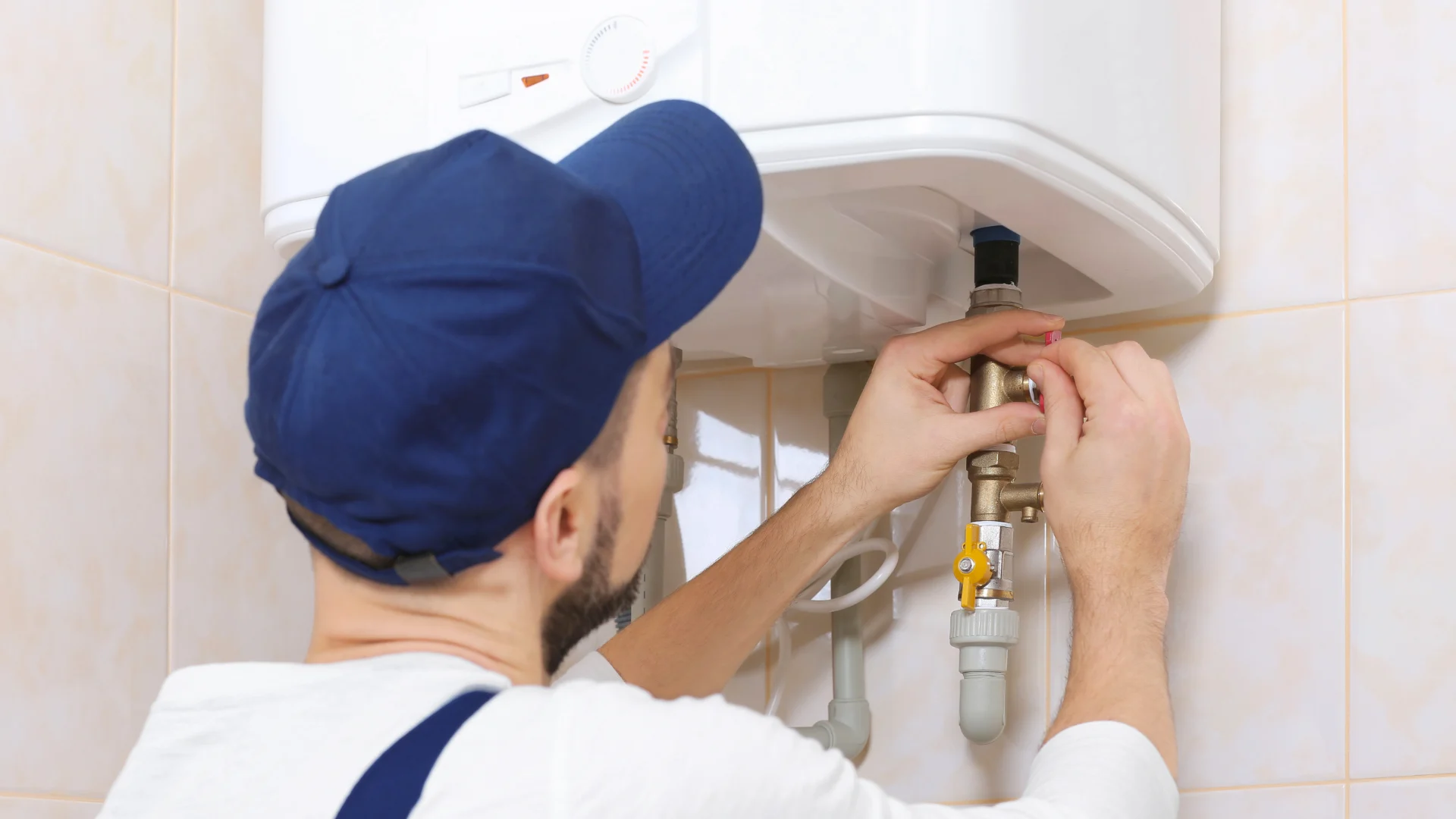
Heating is a sizing problem before it’s an equipment problem. The mistake we see most in Brampton is an oversized furnace dropped in as a like-for-like swap — it short-cycles, burns extra gas, and heats unevenly. We size to the actual house, with TSSA-certified gas work and proper permits, across everything from 1960s bungalows to Mount Pleasant new builds.
Right-sizing across Brampton’s housing mix
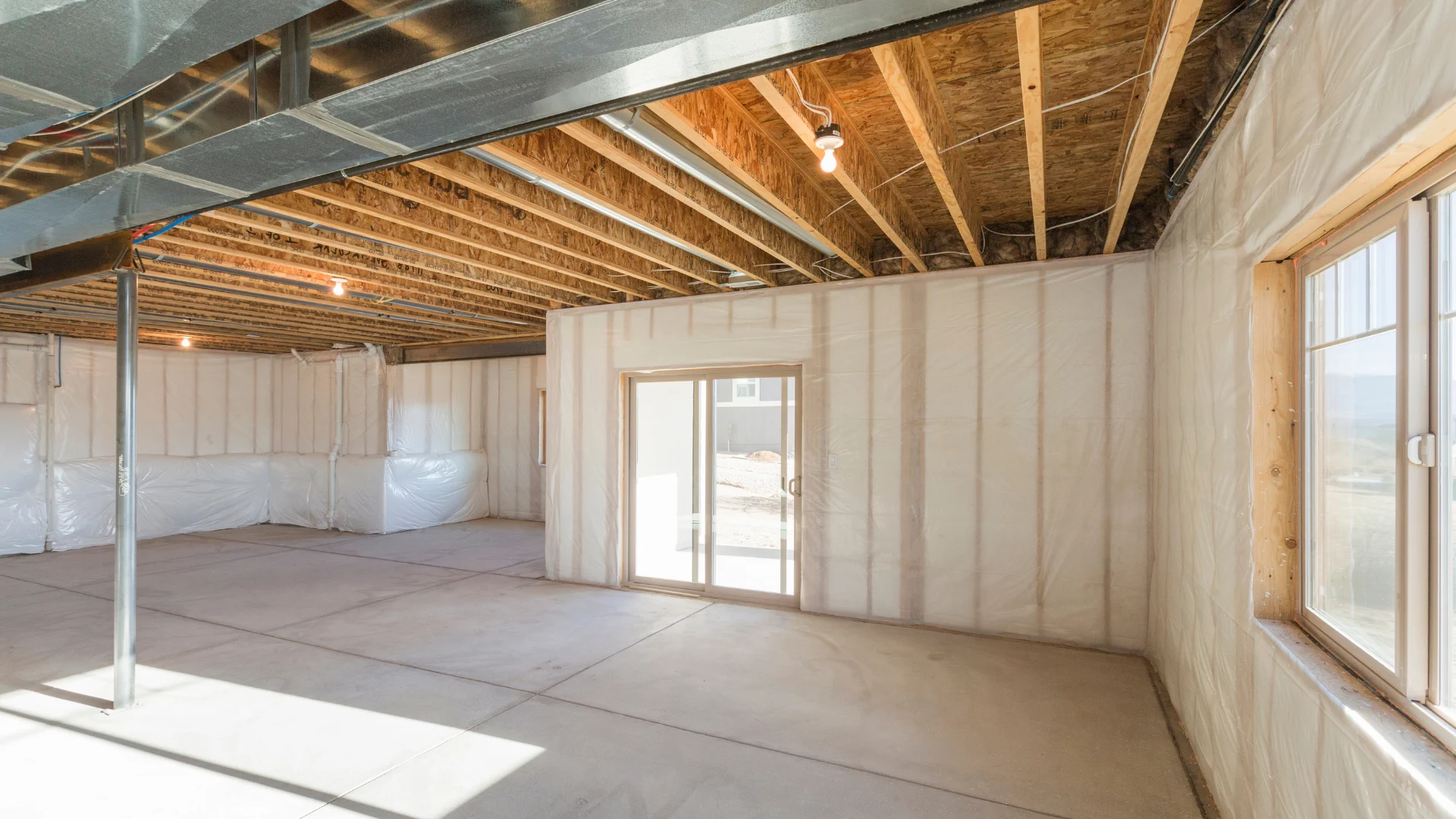
A 1960s bungalow with original insulation and a 2010s Mount Pleasant home built to modern code have very different heat loads — and a finished basement or a secondary suite changes the math again. We run a heat-loss calculation instead of copying the old unit’s nameplate. In the older bungalows, the honest first question is sometimes whether to air-seal and add insulation before sizing equipment, since a tighter house needs a smaller, cheaper-to-run furnace. If you’re finishing a basement, that load belongs in the calculation.
Furnace, heat pump, or both
A high-efficiency furnace paired with a cold-climate heat pump is increasingly the smart Brampton setup — the heat pump handles shoulder seasons and summer cooling efficiently, the furnace carries the deep cold. Provincial incentives for heat pumps come and go; we’ll tell you what’s current and whether it pays back for your home and energy rates rather than pushing equipment you don’t need.
Suites and multi-unit heating
With Brampton’s secondary-suite demand, we’re often asked to handle heating for a basement apartment — whether to zone the existing system, add dedicated ducting, or install separate equipment for the unit. The right answer depends on the home and how the unit will be metered and used. We lay out the options honestly and integrate the work with the rest of a renovation while walls are open.
What it costs
A high-efficiency furnace replacement in Brampton typically runs $5,000 to $8,000 installed depending on capacity and venting; a furnace-and-AC pairing more; a cold-climate heat pump varies with capacity and incentives. Duct work for suites or additions is priced with the project. Our heating & furnace page has the overview.
Frequently asked questions
How should I heat a basement apartment?
Options range from zoning the existing system to a separate unit, depending on the layout and how it’s used. We’ll recommend the most practical, code-compliant setup for your home.
Should I replace a working furnace?
If it’s past 15 years and inefficient, replacing on your schedule beats an emergency in January. We’ll give an honest read on remaining life.
Do you handle the gas permit?
Yes — gas work is TSSA-certified and permitted. Not optional, and we handle it.