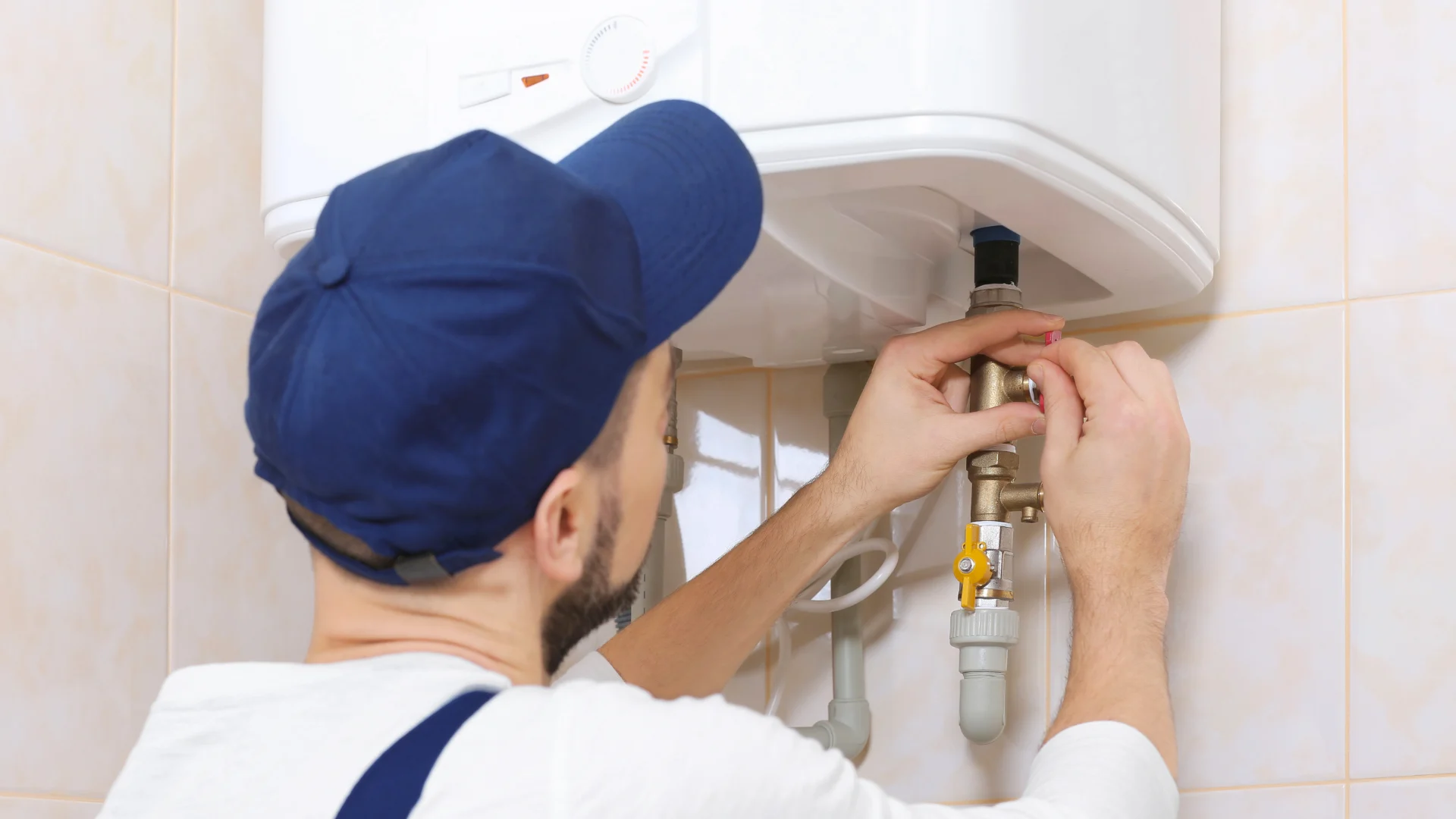
Heating is a sizing problem before it’s an equipment problem — and in Whitby the right approach depends on the home’s age. The heritage downtown and Brooklin homes leak heat and sometimes still run boilers and radiators; the newer subdivisions have forced-air systems now reaching replacement age. We handle both, with TSSA-certified gas work and proper permits, sized to the actual house.
Heritage homes: boilers, radiators, and leaky envelopes
Some older Whitby and Brooklin homes still heat with hot water through radiators. We can replace an aging boiler with a high-efficiency condensing unit and keep the radiators, or convert to forced air during a full renovation when walls are open (which also enables central air). These homes leak heat through original windows and thin insulation, so the honest first question is often whether to air-seal and insulate before sizing equipment — a tighter house needs smaller, cheaper-to-run equipment.
Newer homes: right-sized replacements and heat pumps
The forced-air furnaces in Whitby’s subdivision homes are now hitting replacement age. Rather than a like-for-like swap, we run a heat-loss calculation and right-size a high-efficiency furnace, often paired with a cold-climate heat pump for efficient shoulder-season heating and cooling. Incentives come and go; we’ll tell you what’s current and whether it pays back for your home.
What it costs
A high-efficiency furnace replacement in Whitby typically runs $5,000 to $8,000 installed; a condensing boiler replacement more, depending on the system; a forced-air conversion is priced with the larger renovation; a cold-climate heat pump varies with capacity and incentives. Our heating & furnace page has the overview.
Frequently asked questions
Should I keep my radiators or convert to forced air?
It depends on the home and your goals — radiator heat is comfortable, while converting enables central air but is far easier during a gut renovation. We’ll give a straight recommendation.
My subdivision furnace is 20 years old — replace now?
If it’s inefficient or heating unevenly, replacing on your schedule beats an emergency in January, and a right-sized unit costs less to run.
Do you handle the gas permit?
Yes — gas work is TSSA-certified and permitted, and we handle it.